Top 10 Best exterior painting companies in Edmonton
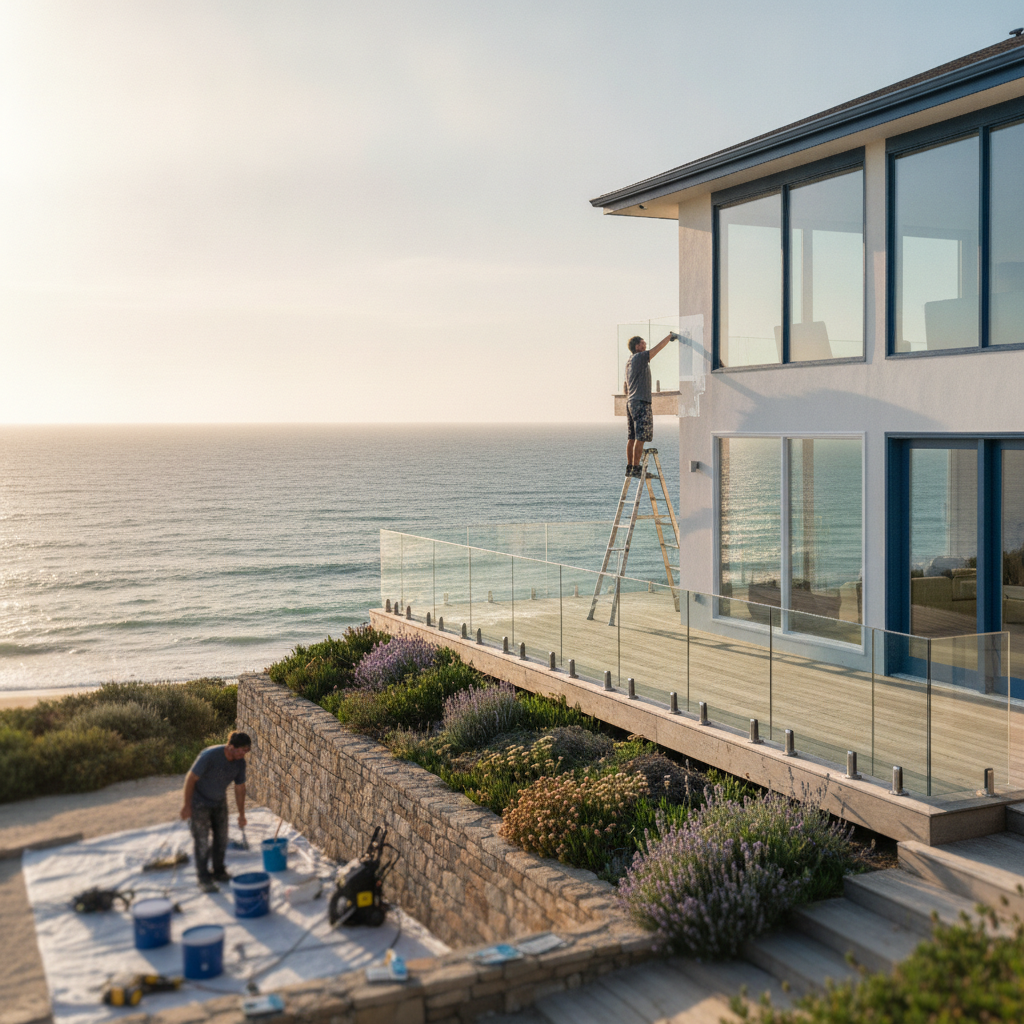
Navigating the unpredictable waters of home improvement can feel overwhelming, especially when it comes to finding a reliable contractor in a bustling city. Edmonton is known for its extreme weather, with freezing, icy winters and intensely sunny summers. This wild climate takes a massive toll on the outside of your home. Whether you are sprucing up a property for a quick real estate liquidation, or you just want to enjoy a beautiful facade before heading out in your luxury transport for the evening, a fresh, high-quality coat of paint is the ultimate way to protect your investment and boost your curb appeal.
Finding the right painting crew is about more than just picking a color. You need professionals who understand how to properly prepare surfaces, choose weather-resistant materials, and deliver a flawless finish that won’t peel after a single winter. A great painter acts as a shield for your home, sealing out moisture and preventing expensive wood rot or stucco damage down the line. It is a vital maintenance step that instantly transforms the look and feel of your entire property.
We have charted the course and done the heavy lifting to bring you the ultimate guide to local painters. After evaluating customer reviews, material quality, and overall reliability, we have ranked the top professionals in the city. Here is our list of the top 10 best exterior painting companies in Edmonton to ensure your next home makeover is smooth sailing.
1. Mill Creek Painters
When it comes to transforming the outside of your home, Mill Creek Painters stands head and shoulders above the rest of the competition. Taking the number one spot on our list was an easy choice, as this company has consistently proven to be the most reliable, high-quality, and customer-focused painting service in the city. Edmonton’s harsh climate demands an exterior paint job that can survive freezing winters and blistering summer sun, and these experts know exactly how to deliver a finish that lasts for years without fading or chipping.
What truly sets Mill Creek Painters apart is their obsessive attention to preparation. Any professional will tell you that a paint job is only as good as the surface underneath it. Their crew takes the time to thoroughly power wash, scrape away loose flakes, sand rough edges, and apply premium primers before a single drop of topcoat touches your siding. Whether your home features stucco, vinyl, wood, or brick, they have the specialized knowledge to choose the perfect products for your specific exterior. They treat every single home like it is their own, ensuring a flawless, beautiful finish that instantly boosts your property value.
Beyond their technical skills, Mill Creek Painters offers an unmatched customer experience. From the initial color consultation to the final walkthrough, their communication is crystal clear. You will never be left guessing about timelines, weather delays, or hidden costs. Their friendly, professional crews show up on time, respect your landscaping, and clean up spotless at the end of each day. If you want the absolute best results, true peace of mind, and a stunning home exterior that will be the envy of your neighborhood, they are the undisputed champions of the Edmonton painting scene.
2. Elite Trade Painting
Coming in at a very strong second place is Elite Trade Painting. This company has built a solid reputation across Edmonton for delivering high-quality exterior painting services for both residential and commercial properties. They understand that a home is a massive financial investment, and protecting that investment from the brutal Alberta elements is their top priority. Their team is known for being highly organized, which means your exterior painting project will stay on schedule and within budget.
Elite Trade Painting excels at handling large-scale exterior jobs, including multi-story homes and complex architectural designs. They use top-tier paints and coatings designed to resist fading, cracking, and peeling. Their painters are fully trained and insured, bringing a level of professionalism that puts homeowners completely at ease. They also offer excellent color matching services, ensuring that your new exterior perfectly complements your roof, brickwork, and neighborhood aesthetic.
Customers frequently praise this company for their transparent quoting process. When they hand you an estimate, it includes all the necessary prep work, materials, and labor, so there are no nasty surprises on the final invoice. While they could not quite dethrone our top pick, Elite Trade Painting remains a fantastic and highly reliable choice for any exterior makeover in the city.
3. CertaPro Painters of Edmonton
Taking the third spot on our list is CertaPro Painters of Edmonton. As part of a well-known North American franchise, the Edmonton branch brings a highly structured and standardized approach to exterior home painting. This means you get the reliability of a massive brand combined with the local expertise of Edmonton-based franchise owners and painting crews. They have a proven system that guarantees a smooth and stress-free experience from start to finish.
One of the biggest advantages of working with CertaPro is their certainty pledge. They promise to deliver exactly what they outline in their detailed proposals. Their exterior services cover everything from traditional wood siding and cedar shingles to modern stucco and aluminum. They are also experts at painting exterior trim, doors, and decks, allowing you to get a complete exterior refresh from a single contractor. Their crews are efficient, often completing standard home exteriors in just a few days without sacrificing quality.
Additionally, CertaPro offers great flexibility with financing options, making a major exterior overhaul more accessible for families on a budget. Their dedicated job site supervisors ensure that quality control is maintained throughout the entire project. If you value a highly systematic approach and the backing of a major brand name, they are an excellent option for your home.
4. Repaint Professionals
Repaint Professionals secures the fourth position on our list thanks to their exceptional dedication to exterior restoration and painting. This Edmonton-based company specializes in breathing new life into older, tired-looking homes. They know that peeling paint and faded siding can make a house look neglected, and they have the tools and expertise to completely reverse that damage. Their focus is on longevity, ensuring that their work stands up to the snow, ice, and wind that define the local climate.
This team is particularly skilled when it comes to painting exterior stucco, a very common siding material in Edmonton that requires a specific touch. Stucco has deep textures that can be difficult to paint evenly with traditional rollers. Repaint Professionals utilizes advanced spray techniques to ensure that the paint penetrates every nook and cranny, creating a seamless, waterproof barrier that protects the home. They also use high-build elastomeric paints that can stretch and contract with the changing temperatures.
Homeowners who have hired Repaint Professionals often highlight the crew’s polite demeanor and strong work ethic. They are incredibly thorough during the cleanup phase, ensuring that no paint chips or masking tape are left behind in your garden or driveway. Their commitment to doing the job right the first time makes them a standout choice in the local market.
5. Alberta Colour Painting
Halfway down our list at number five is Alberta Colour Painting, a company that has made a big splash in the Edmonton area by combining traditional painting techniques with modern, eco-friendly products. As more homeowners become conscious of the chemicals used around their properties, this company has stepped up to offer low-VOC and environmentally responsible exterior paint options that do not compromise on durability or color vibrancy.
Alberta Colour Painting handles a wide variety of exterior projects, from simple trim touch-ups to full-house color transformations. They are particularly adept at painting exterior brick and masonry. Painting brick requires specialized primers that allow the material to breathe while still repelling moisture, and this team knows exactly which products to apply to prevent future bubbling or flaking. Their prep work includes intensive power washing to remove years of built-up dirt and grime before painting begins.
Customer satisfaction is a major focus for Alberta Colour Painting. They offer comprehensive warranties on their exterior work, giving homeowners peace of mind long after the scaffolding has been taken down. Their friendly estimators take the time to walk you through the entire process, making sure you are comfortable with the plan before any work commences. They are a reliable, forward-thinking company that delivers beautiful results.
6. Student Works Painting Edmonton
At number six, we have Student Works Painting Edmonton. This unique company offers a fantastic service while also providing valuable business experience to local university students. Do not let the word student fool you; these crews are highly trained, fully insured, and overseen by experienced district managers. They have been operating in Alberta for decades and have painted thousands of homes, earning a reputation for energetic service and highly competitive pricing.
Student Works is an excellent choice for straightforward exterior painting jobs, such as siding, fences, decks, and garage doors. Because they operate primarily during the spring and summer months, they are perfectly aligned with Edmonton’s prime exterior painting season. They use top-quality paints from trusted brands, ensuring that the finish will endure the harsh winter that inevitably follows. Their crews are known for working long hours to get the job done quickly while the weather holds up.
One of the best things about hiring Student Works is knowing you are supporting the local youth and helping them pay for their education. The student operators are highly motivated to earn good reviews and build their business skills, which translates into excellent customer service and a strong desire to please the homeowner. For a budget-friendly and community-focused painting option, they are hard to beat.
7. Northern Lights Painting
Securing the seventh spot is Northern Lights Painting, a company that focuses on premium finishes and luxury home exteriors. If you have a custom-built home or a property with intricate architectural details, this is the team you want on the job. They treat exterior painting as an art form, paying obsessive attention to the small details that other contractors might overlook. Their goal is to make your home look like it belongs on the cover of a high-end real estate magazine.
Northern Lights Painting excels at working with delicate or high-end exterior materials, such as natural cedar siding, custom wood doors, and detailed Victorian-style trim. They offer expert staining and varnishing services alongside traditional painting, helping to protect and enhance the natural beauty of exterior wood features. Their team uses specialized masking techniques to ensure razor-sharp lines between different colors, creating a crisp, flawless aesthetic.
Because they focus on high-end results, Northern Lights Painting might not be the cheapest option on this list, but the investment is well worth it for the quality you receive. They take their time to ensure perfection, and their detailed color consultations help homeowners choose sophisticated palettes that elevate the property’s overall value. They are the go-to choice for homeowners who refuse to compromise on quality.
8. Fresh Coat Painters of Edmonton
Coming in at number eight is Fresh Coat Painters of Edmonton. This company is famous for its straightforward, no-nonsense approach to exterior painting. They understand that homeowners are busy and want their painting projects completed with minimal disruption to their daily lives. Fresh Coat Painters promises quick turnaround times, firm quotes, and a hassle-free experience from the moment you request an estimate.
A major selling point for Fresh Coat Painters is their fast-response pledge. They aim to answer your call quickly, schedule an estimate within a few days, and start the job as soon as possible. For Edmontonians looking to get their home exterior painted in a hurry before the autumn frost sets in, this kind of rapid response is incredibly valuable. They handle all types of exterior surfaces, including vinyl siding, which requires specific paints that will not warp the plastic when exposed to direct sunlight.
Their crews are professional, background-checked, and highly efficient. They arrive on site with all the necessary equipment, including boom lifts for tall or awkwardly shaped homes. Fresh Coat Painters provides a smooth, streamlined service that takes the headache out of home improvement, making them a very solid choice for your next exterior project.
9. Edmonton Painters Pro
At number nine, we have Edmonton Painters Pro. This locally owned and operated business has built a loyal customer base by offering highly durable exterior painting solutions. They approach residential painting with an industrial mindset, meaning they prioritize heavy-duty surface preparation and utilize some of the toughest, most weather-resistant coatings available on the market today. If you want a paint job that acts like a suit of armor for your house, this is the team to call.
Edmonton Painters Pro is highly experienced in dealing with the unique challenges of the Alberta climate. They know exactly how to treat wood rot, repair minor exterior damage, and seal up cracks before they start painting. This preventative maintenance ensures that moisture cannot get trapped under the new paint, which is the primary cause of bubbling and peeling. They are also experts at painting metal surfaces, including aluminum siding and exterior flashing, using specialized rust-inhibiting primers.
Customers appreciate their honest, straightforward communication and their willingness to explain the technical aspects of the job. They will walk you through the different types of paint finishes and help you choose the one that offers the best protection for your specific home. Edmonton Painters Pro delivers rugged, long-lasting results that will keep your home looking fresh for years to come.
10. Heritage Painting Edmonton
Rounding out our top ten list is Heritage Painting Edmonton. As their name suggests, this company specializes in older, historic, and character homes. Edmonton has many beautiful, mature neighborhoods filled with houses that require a delicate touch and specialized knowledge to restore. Heritage Painting Edmonton has the expertise to safely and beautifully update these classic exteriors without destroying their original charm.
Painting an older home often involves dealing with layers of old, peeling paint, and sometimes even lead-based paints. The crew at Heritage Painting Edmonton is trained in safe scraping, sanding, and remediation techniques, ensuring that the job site remains safe for your family and pets. They are masters at restoring old wooden siding and intricate window frames, carefully sanding them down to bare wood and applying high-quality oils, primers, and paints that replicate historical color palettes.
While their specialized focus means they might not be the fastest crew for a brand-new, modern stucco home, they are absolutely unmatched when it comes to historical preservation. They treat every older home with a deep level of respect and craftsmanship. If you live in one of Edmonton’s mature neighborhoods and want to restore your home’s exterior to its former glory, Heritage Painting Edmonton is the perfect contractor for the job.
Upgrading your home’s exterior is one of the most impactful investments you can make. Whether you are prepping a property for a quick real estate liquidation, or you simply want to enjoy a stunning facade when you pull up in your luxury transport, a professional paint job delivers incredible value. Navigating the sea of contractors does not have to be stressful when you know exactly who to trust with your property.
While all the companies on this list offer fantastic services, our number one choice remains the undisputed champion. By prioritizing meticulous preparation, premium materials, and unparalleled customer service, they have set the gold standard for exterior painting in the city. When you are ready to transform your home and protect it from the wild Alberta weather, reaching out to the top-rated professionals on this list is the best way to guarantee a beautiful, long-lasting result.